Key Takeaways
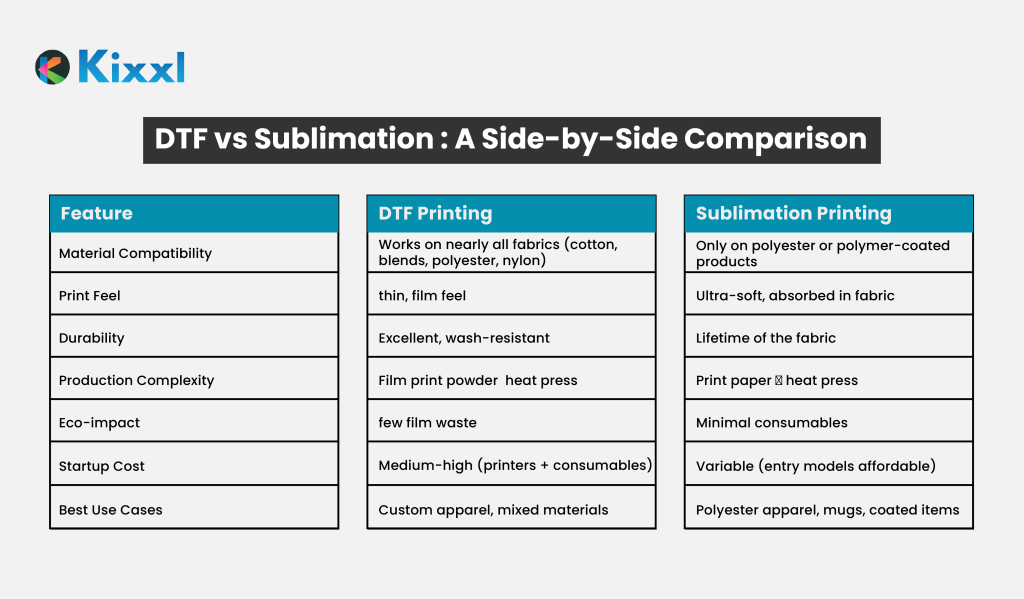
- DTF works on nearly all fabrics, including cotton, blends, polyester, and dark colors, while sublimation is limited to polyester or polymer-coated items.
- Sublimation prints are ultra-soft and embedded into the fabric, lasting as long as the material itself; DTF prints are slightly raised but wash-resistant and vibrant, especially on dark fabrics.
- The DTF printing process involves film, adhesive powder, and heat pressing, while sublimation includes design, print on transfer paper, and heat press.
- Sublimation has lower initial costs, while DTF requires higher setup costs but allows more product variety and personalization.
- Hybrid Approach is Optimal: Many businesses use both methods.
Introduction
If you’ve spent any time in the printing industry, you’ve heard about the DTF vs Sublimation debate. Both printing methods lead the custom apparel game and shine in their specific scenarios.
Deciding between both methods, however, depends entirely on the stuff you are printing on and the “feel” you want for the final product.
Whether you are a beginner or a seasoned pro, choosing the right technique is the most important decision you’ll make for your business. And for that, you need to understand the key differences between these two methods so you can always get vibrant and durable prints.
Understanding the Modern Printing Landscape (2026-27)
With e-commerce booming, the demand for flexible solutions like Print-On-Demand (POD) is growing faster than ever and AI is now a creative and analytical partner in the production line.
From design creation and quality control to production scheduling and predictive maintenance, you can experience AI and automation being integrated into workflows for everything.
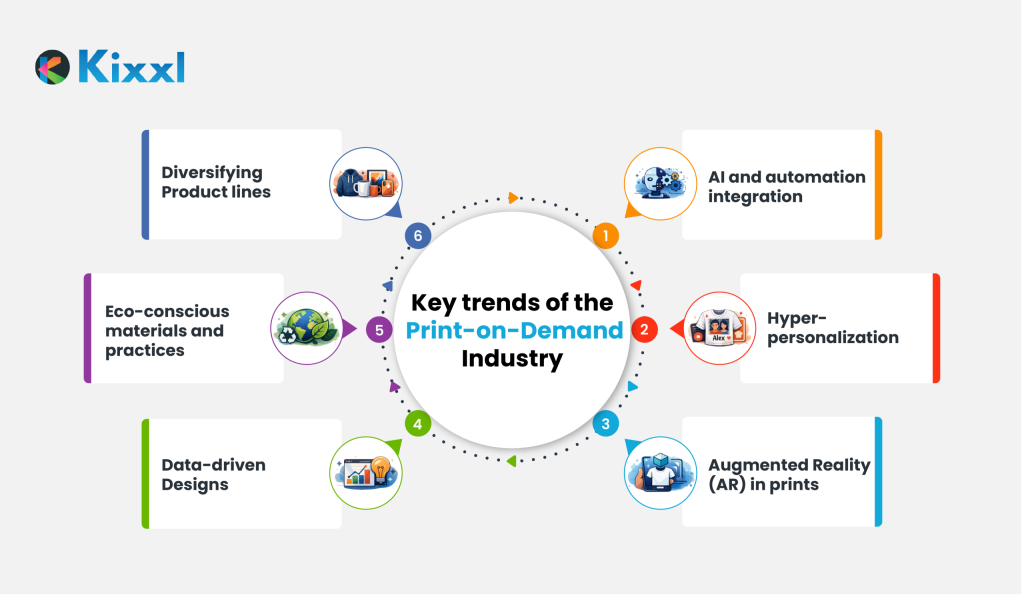
Sellers who keep up with these trends will be more likely to maximize efficiency and scale their print-on-demand business across the industry. Also, good software can make or break your workflow.
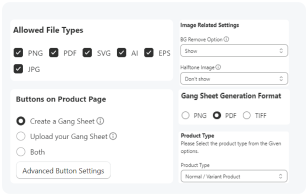
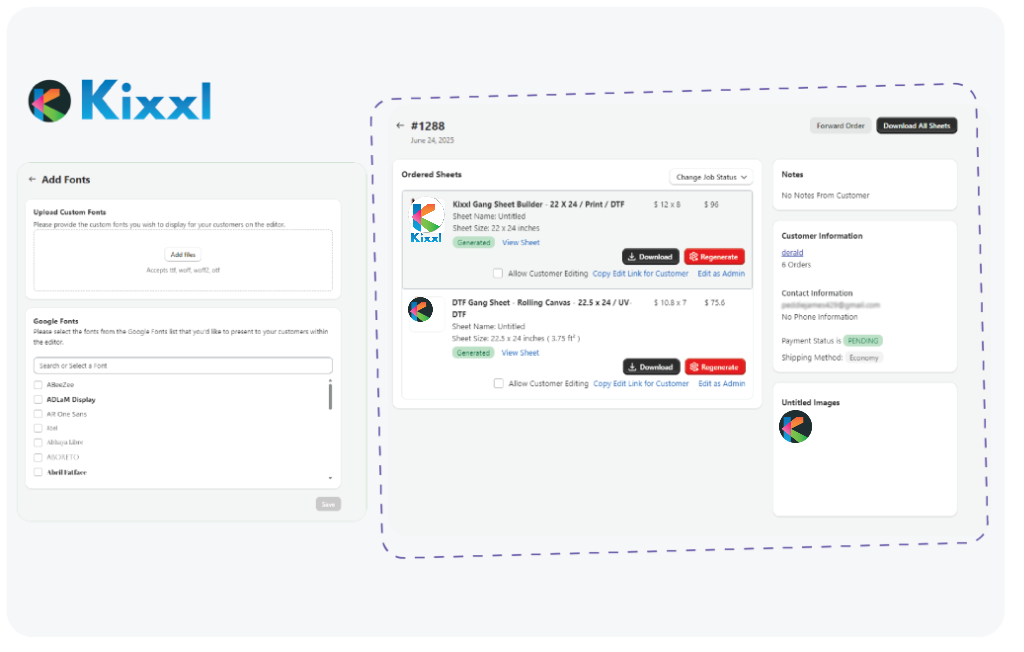
Kixxl, for example, offers AI-powered auto-nesting, which automates design layout and minimizes manual design placement errors while maintaining high print quality. This means you can grow without hiring more designers or operators.
Learn Why Auto-nesting a Perfect Choice for DTF business?
Market Trends & Future Outlook
- The global Direct-to-Film (DTF) printing market is projected to reach about USD 3.99 billion by 2030, with a CAGR of around 6.5% by 2030. (source)
- The global dye-sublimation printing market is projected to reach USD 31.74 billion by 2032, growing at a CAGR of around 11%. (source)
Though both methods differ in their market niches but are experiencing almost the same growth. This massive growth is happening because of advancements in printing technology with a strong emphasis on AI integrating.
What is DTF Printing?
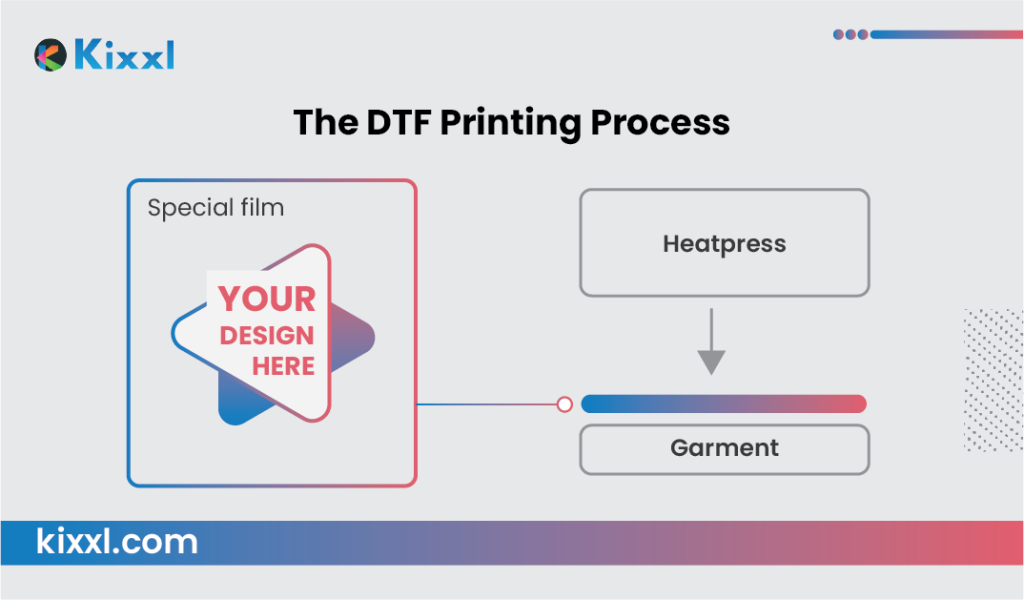
In the DTF (Direct-to-Film) printing method, a design is first printed onto a special PET film using hot-melt adhesive powder and then heat-pressed onto a fabric, creating vibrant, durable images without needing fabric pre-treatment.
This process uses specialized inks and inkjet printers that ensure sharp detail and long-lasting results.
What makes DTF printing popular in the custom printing industry is its ability to work on a wide range of materials, such as:
- Cotton
- Polyester
- Fabric blends
- Leather
- Nylon
- Select non-textile surfaces
How Does the DTF Printing Method Works?
Here’s a step-by-step process:
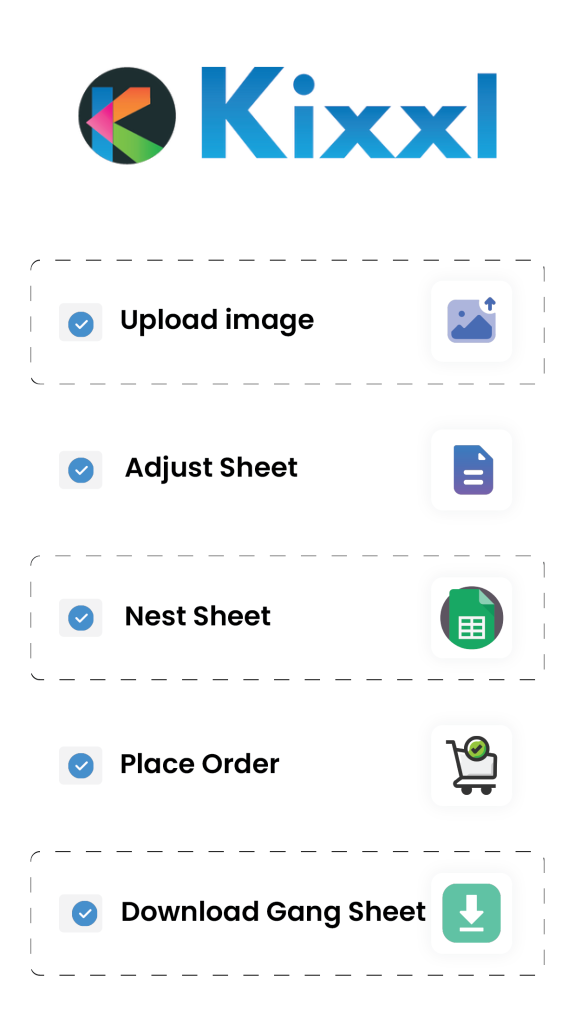
- Design Creation: Create high-resolution designs using photo editing software, or simply upload your designs to Kixxl, and it will automatically optimize your designs to 300 DPI.
- Print on Film: Print the design onto special PET film, with the white ink layer applied underneath the colors, as it helps in vibrant, full-coverage transfers.
- Apply Adhesive: evenly apply hot-melt adhesive to the printed film that sticks to the ink.
- Cure the film: The powdered film is then heated using a heat press to melt the adhesive, creating a ready-to-press transfer.
- Pre-press the fabric: The fabric is pressed slightly with a heat press that removes moisture and wrinkles, improving adhesion and print quality.
- Transfer the design: Place the cured film onto the fabric and apply heat and pressure with a heat press to bond the design to the fibers. After pressing, the film is peeled away, leaving a clean, durable DTF print.
What is Sublimation Printing?
As its name suggests, this printing method is based on the physical process of “sublimation,” which converts a solid substance directly into a gas.
When you apply heat and pressure to sublimation transfers, the ink sublimates—meaning it turns into vapor and the gas particles diffuse into the fibers of the material, becoming part of that material at a molecular level.
As a result, you get a vibrant design without any texture left on the material. Moreover, sublimation prints offer high-definition colors, resist cracking, peeling, or fading over time.
How Does Sublimation Printing Method Works?
Here’s a step-by-step process:
- Design & Print: Create your designs and print them onto special sublimation transfer paper using sublimation inks.
- Heat Transfer: The printed paper is then placed onto the item, and both are placed in a heat press. (The dye sublimates “solid → gas” and diffuses into the item’s surface).
- Bonding: Now the ink becomes part of the material at a molecular level, delivering lasting quality.
DTF Vs. Sublimation: A Side-by-side Comparison
DTF & Sublimation: Pros, Cons & Use cases
Here’s a list of pros and cons of both techniques, which might help you decide the right fit for your printing business:
Sublimation Printing
Pros:
- Soft, natural feel with embedded dye
- Extremely durable prints
- Great for all-over and photorealistic images
Cons:
- Limited to polyester or coated surfaces
- Not suitable for dark or natural fabric
- Requires compatible substrates
DTF Printing
Pros:
- Works on a wide range of textiles
- Bright, opaque colors on dark & light fabrics
- Storage of transfers for on-demand pressing
Cons:
- Slightly raised texture
- Consumables require careful management
- Requires ongoing maintenance
Which One Should You Choose?
The One-size-fits-all approach no longer works in the printing industry. Instead, the most effective strategy is a product-first approach, where the product type determines whether DTF or sublimation printing is the right choice. Moreover, consider the business model and target audience as well.
Choose Sublimation if:
- Your products are primarily polyester or coated items.
- You want ultra-soft, permanent prints with no hand-feel.
- Your workflow involves all-over or high-resolution imagery.
Choose DTF if:
- You sell a range of apparel (cotton, blends, dark fabrics).
- You offer small runs or personalized designs.
- You want flexibility without needing polyester-only blanks.
If you choose the DTF printing method, DTF Gang sheet software like Kixxl solves all the operational challenges while fitting naturally into modern DTF workflows.
Try Smarter Gang sheet Creation For Your DTF Prints with Kixxl!
Conclusion
Despite all pros and cons, most businesses adopt a hybrid approach, which involves using both methods for different product lines. By leveraging the versatility of both printing methods and the efficiency of gangsheet builder apps like Kixxl, you can offer your customers the best of both worlds.
Frequently asked questions
If you have any unanswered questions, feel free to contact our support team via email. We’ll get back to you promptly to provide assistance.
- Sublimation generally lasts longer because the ink bonds permanently with the fabric, while DTF sits on top and may crack or fade over time.
-
DTF is better for dark fabrics because it uses white ink and works on all colors, whereas sublimation only works on light or white polyester fabrics.
-
Sublimation has a lower startup cost, while DTF requires a higher initial investment due to additional equipment and consumables. However, DTF allows you to print on almost anything, which often leads to a faster return on investment for apparel startups.
-
DTF offers more vibrant and bold colors, especially on dark fabrics, while sublimation produces softer, more natural tones on light fabrics.
DTF ink is best for vibrant prints on a wide range of fabrics, especially dark colors, while sublimation ink is best for producing durable, high-quality prints on light polyester. The “better” ink depends on your material and print goals.